Skip to contentSkip to sidebarSkip to footer

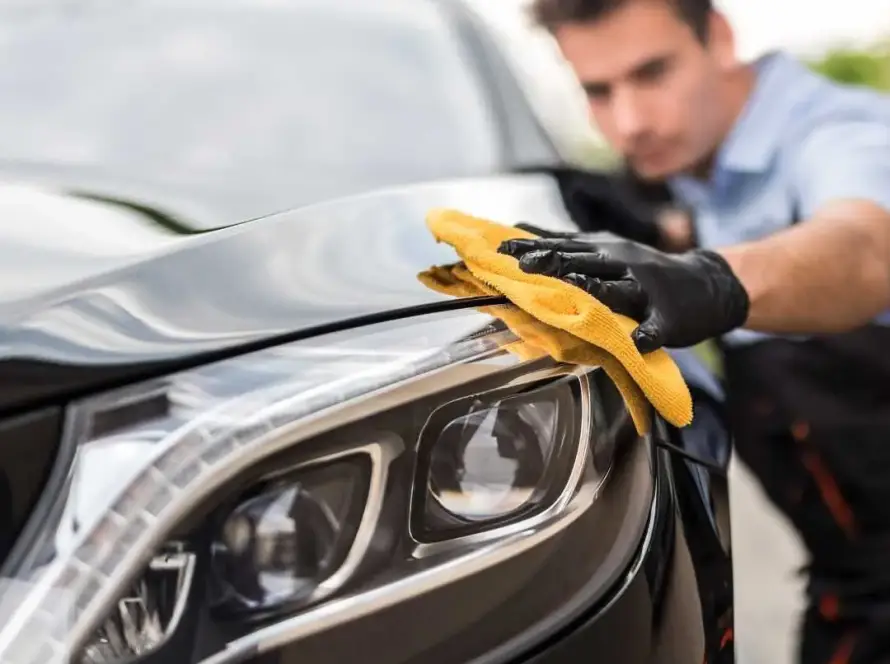
Most people think car detailing is just a slightly better version of a wash. We hear it all the time, especially when someone brings their vehicle in expecting a quick clean, but when they pick it up, they can’t believe it’s the same car. That reaction is why car detailing is on a different level than a car wash.
Car detailing is thoroughly cleaning, restoring, and protecting your vehicle. This covers the car’s paint, interior, glass, trim, wheels, and many more areas that a car wash doesn’t even acknowledge.
Why a Car Wash and Car Detail Aren’t the Same Thing
A car wash is basic. Whether it’s an automatic one or a self-serve wash, the products and materials being used/provided don’t let the results last, and cause microscratches to your vehicle’s paint.
Next time you’re going through an automatic car wash, take a close look at the brushes as they wash your vehicle. The amount of dirt caked on those things from every car that went before yours is insane! Even the force with which the brushes hit the vehicle is aggressive, and all that built-up grime gets dragged across your car’s exterior. Once the wash is done, your vehicle doesn’t even get completely dry, and a bunch of areas are missed. Self-serve washes aren’t much better. The brushes don’t get cleaned or replaced often, and you’re stuck working with whatever tools and products the bay gives you. If you just need a few weeks of dirt off your car, the automatic and self-serve washes are perfect. But that’s where it ends.
Now that’s just the outside. A car wash doesn’t even address the interior. The seats, dashboard, carpets, and door panels, none of it gets touched. So all the dirt and stains just sit there and keep building up.
We’ve seen people who wash their vehicle every week and still have lots of swirl marks on their car’s paint and an interior that hasn’t been properly cleaned in months. Regular washing can’t fix any of that but detailing can. Detailing is levels above a car wash because it actually takes care of the vehicle’s imperfections, inside and out.
The Car Detailing Process
The Exterior Detailing Process
- Wheels and tires: The wheels and tires get cleaned first. This way, dirty soap and water from that step don’t get back on the paint.
- Pressure rinse: The whole vehicle gets rinsed down with a pressure washer. This gets most of the loose dirt off the exterior before the contact wash.
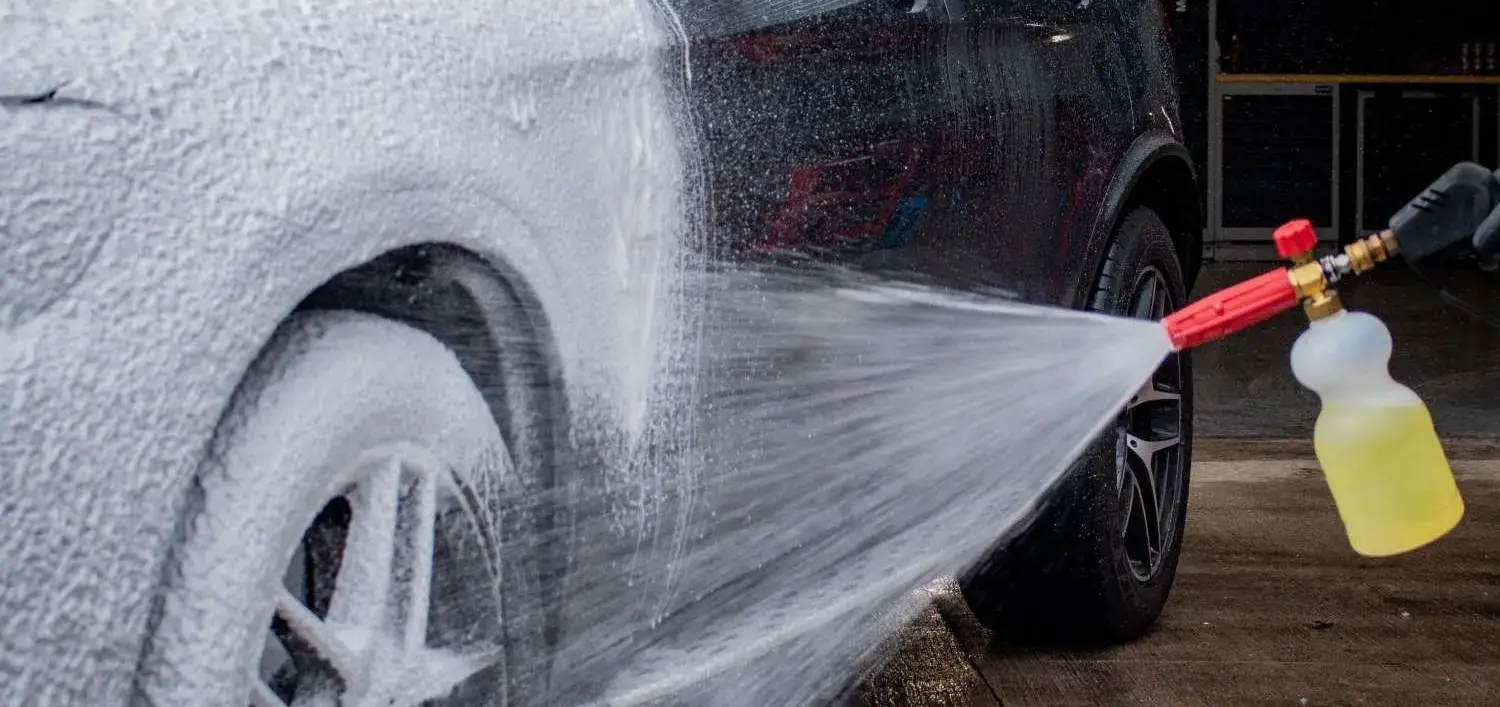
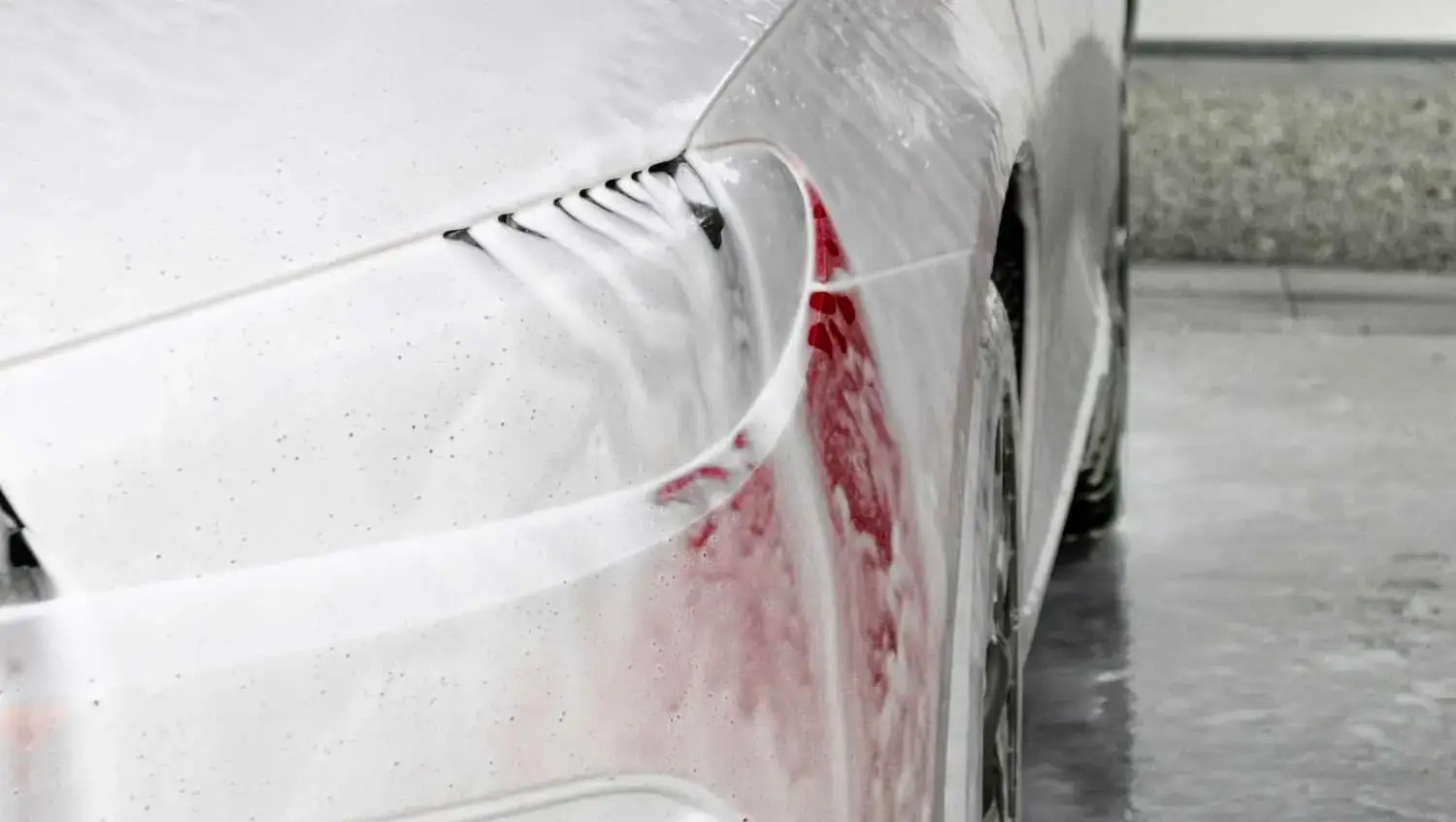
- Foam down: The vehicle gets foamed down with a foam cannon and car shampoo. The foam dwells on the paint and loosens up dirt that the initial rinse didn’t remove.
- Hand wash: Using clean mitts and the two bucket wash method, the vehicle gets agitated top down, panel by panel. Once the whole car has been washed, a final rinse follows to remove the soap.
- Drying: Using a blower or compressed air, water gets pushed out of hard-to-reach areas, for example, in between the mirrors, emblems, trim gaps, and badge lettering. Then, a microfiber drying towel is used to completely dry the paint.
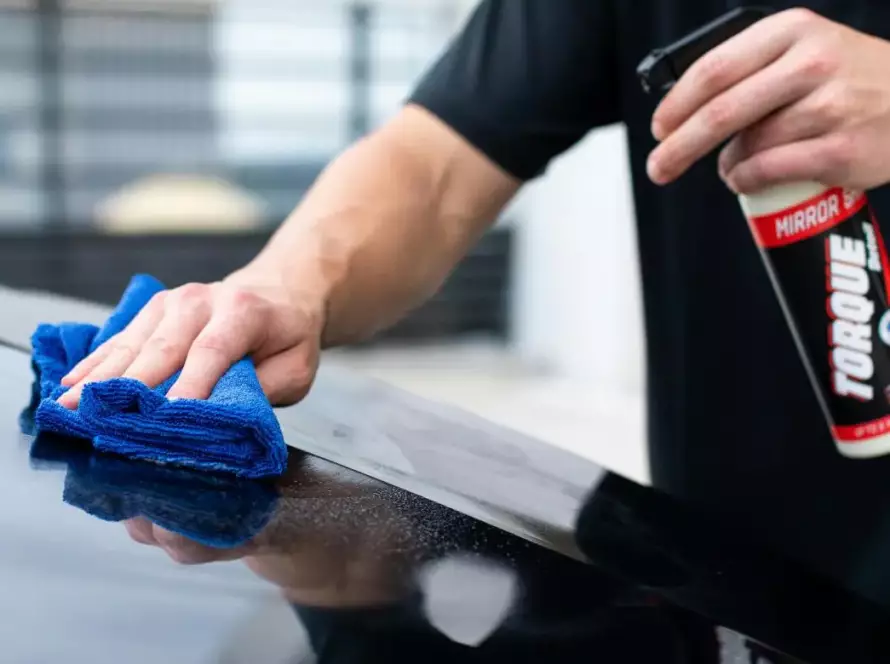
- Paint protection: A paste wax or spray wax gets applied to the exterior to keep the paint protected from UV rays, road salt, tar, and many more elements.
- Finishing touches: The glass gets cleaned inside out till streak-free, tires get dressed, and any missed areas get corrected.
What Interior Car Detailing Includes
Since a lot of people spend most of their time in the interior, they don’t realize how much dirt has slowly built up or how dirty it’s gotten. This is where the before and afters are more noticeable.
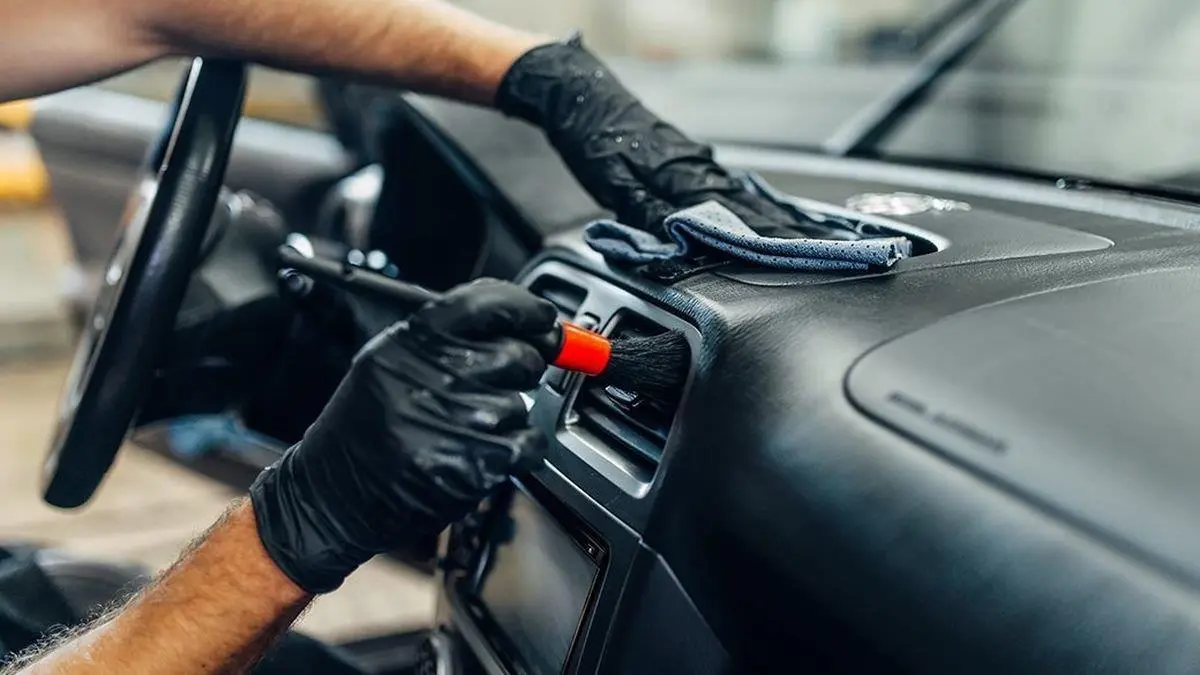
- Full vacuum: All floor mats come out first. Then the interior gets thoroughly vacuumed. The seats, carpet, trunk, under the seats, in between cushions, and door pockets. Every nook and cranny gets vacuumed.
- Floor mats and carpets: The rubber floor mats get rinsed off, scrubbed down, then left to air dry. The carpet mats get vacuumed first to pull the loose dirt off, scrubbed with a brush and rinsed, then shampooed and extracted to pull the excess moisture out. The floors inside of your car get lightly steamed or shampooed.
- Seats: Fabric seats get shampooed and hot water extracted to remove deep stains and smells. Leather seats get brushed and steamed till clean.
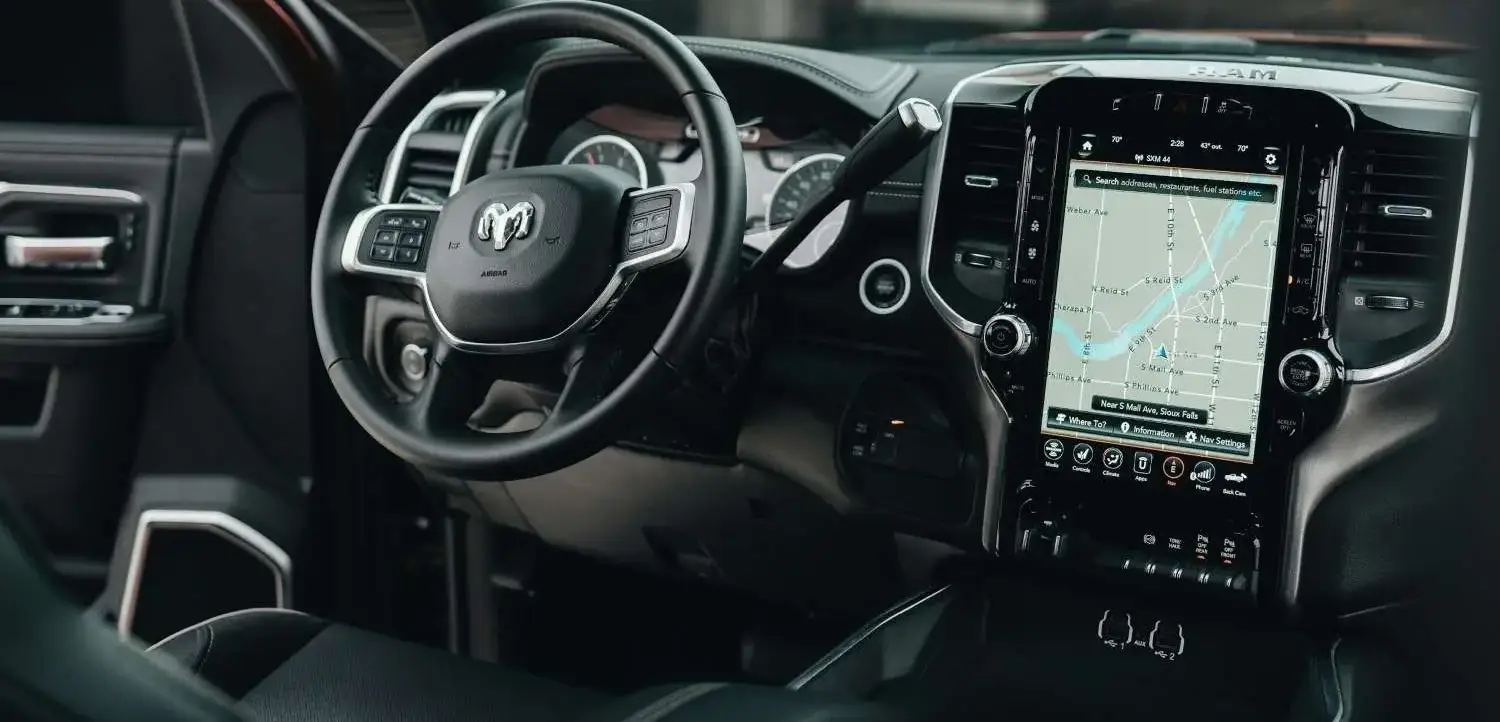
- Interior surfaces: Every surface gets wiped down and agitated. The dashboard, door panels, steering wheel, all the buttons, vents, cup holders, all of it.
- Glass: Glass gets cleaned with a microfibre towel and glass cleaner till streak free.
- Finishing touches: Once every surface has been cleaned, dressing and leather conditioner are applied to all plastics, vinyl, and leather surfaces.
Other Types Of Detailing Services
Engine detailing: An in-depth clean of the engine bay. Dirt and dust build up under the hood, and an engine detail removes it all and makes the engine look new.
Headlight restoration: Removes oxidation and fog buildup from headlights and makes them clear again.
Paint correction: Uses a machine polisher to remove hazing, scratches, swirl marks, and oxidation caused by car washes and the elements. Brings back the pop and shine of the paint.
Ceramic coating: A long-lasting protection that bonds to the clear coat and lasts longer than any wax or sealant.
Paint protection film: A clear film installed on the paint, and it’s the best form of protection available for a vehicle’s exterior.
Why Car Detailing is Important
Cars don’t get destroyed all at once. They get destroyed slowly. Just like our homes, if a vehicle isn’t taken care of, it turns into a mess and loses its value. Over time, your vehicle gets damaged by road salt, bird droppings, bugs, tree sap, UV rays, and it’s all slowly eating away at the clear coat of your paint. Without the right care and protection, it just compounds till it becomes obvious.
The same goes for the interior. The sun, dirt, spilled drinks or food, and even dust deteriorate materials in the vehicle quicker than people notice. Once something is damaged, it’s expensive to fix, especially for newer vehicles.
Car Detailing Prices and How Often to Get Your Car Detailed
For daily-driven cars, we recommend a detail every 2 to 4 months. This way, your vehicle stays well-maintained throughout the year.
Pricing depends on where you live and what services are needed to restore and protect your vehicle. For example, a basic car detail starts at $100 in most places, mid-level details run about $200 to $400, and higher-end details cost around $500 to over $1,000 depending on the size and condition of your car.
DIY Detailing vs Hiring a Professional
Whether you do it yourself or hire a professional detailer depends on what you’re comfortable doing, the products and tools you own, and how much free time you have.
For the basics, vacuuming the interior, a two-bucket wash, and using a spray wax to protect the exterior can be done yourself.
Based on the time, tools, and products you have, there’s only so much you can accomplish. Some stains, conditions, and services require professional attention. For example, a paint correction requires a polisher and different compounds. If you make a mistake during the process, you can burn through the vehicle’s clear coat, which is extremely expensive to fix. Another example: deep stains in fabric or carpet require a hot water extractor that most people don’t own.
This is where professional car detailing comes in. Car detailers with the right equipment can take on anything from basic maintenance to full car corrections and coating. For basic car cleaning, you can absolutely do that at home. For anything that needs serious equipment or experience, we’d recommend going to a professional detailing shop.
Common Detailing Mistakes
Using household products: Household products on your car, like Dawn dish soap, can be too aggressive for automotive paint. Most household products will strip whatever protection is on the exterior or fade certain materials in the interior. It’s best to stay away from household products and use proper DIY car care products.
Washing your car in direct sunlight: This is a horrible idea, and we advise against it unless it’s your only option. Due to the heat, products used in direct sunlight dry too quickly before you can even rinse or wipe them off. This can cause water spots, etch into the clear coat, and fade some interior materials. If there’s no shade, work fast, covering a panel at a time before the product dries.
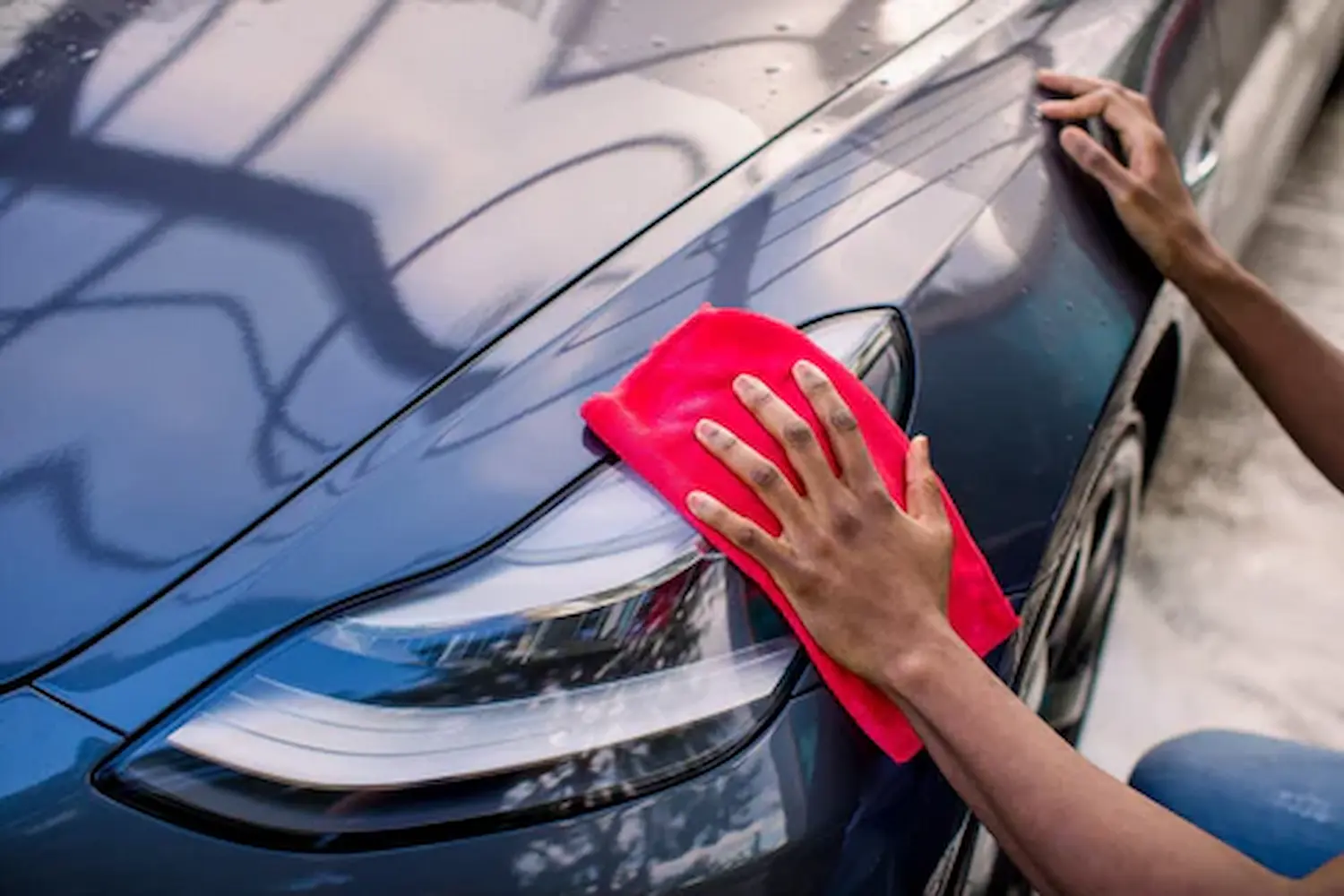
Using old rags and towels: Dirt and contaminants in old towels or rags will cause microscratches on the paint, which requires an expensive fix. That’s why we’d recommend using clean microfiber towels every time.
Applying protection to dirty surfaces: Applying protection to dirty paint or putting dressing on dirty interior materials seals all the dirt underneath, and the products won’t bond or stick to the interior and exterior as they should. Always clean the surface first, then apply protection.
Frequently Asked Questions
How long does it take to detail a car?
A basic detail takes anywhere from 1 to 2 hours. Mid-level detail takes about 3 to 5 hours, and higher-end services can take 6 hours or more, depending on the vehicle’s condition and needs.
Should I go with wax, sealant, or ceramic coating?
The choice between a wax sealant or ceramic coating comes down to your budget and how long you want the protection to last. A wax lasts about 4 to 8 weeks. A sealant lasts around 3 to 6 months. A ceramic coating can hold up anywhere from 2 to 5 years. If you don’t want to keep reapplying protection to your paint, a ceramic coating is the way to go.
What’s the difference between car detailing and auto detailing?
Car detailing, auto detailing, and automotive detailing all mean the same thing. Different shops just use different terms for the same service, which is a full cleaning and restoration of the vehicle inside and out.
Will a car detail make my car look new again?
For most vehicles, yes. A full detail removes years of built-up dirt, swirl marks, stains, and oxidation. The paint comes back, the interior looks fresh, and the car ends up much closer to how it did off the lot. If the paint is heavily damaged or the interior is in rough shape, you might need a paint correction or deeper interior service on top of the detail to get that full result.
Does detailing help give your car better resale value?
Yes, and it’s one of the easiest ways to add value before selling. A detailed vehicle shows up better in photos, feels cleaner during a test drive, and tells the buyer the car was actually taken care of. Most owners end up getting back way more than what the detail cost them.
Final Thoughts
Car detailing is the proper way to take care of a vehicle. It covers the paint, the interior, the glass, the trim, the wheels, and every other area that needs attention. The paint stays protected, the interior is brought back to a cleaner condition, and the damage that usually shows up later never does. Over time, that’s what holds the value of the vehicle and saves you from the expensive fixes that come when things get ignored.
Some details are basic maintenance. Others are full corrections, coatings, or thorough interior services. What your vehicle needs comes down to its condition and how it’s used.
At Grandeur Autos, we handle all of it. Offering Car detailing services such as basic details, paint polishing, ceramic coatings, interior restorations, and many more, adjusted for what each client needs, and to ensure your vehicle looks new again.